The Sweet Scent of a Korean Summer: A Fruit Lover’s Travel Guide
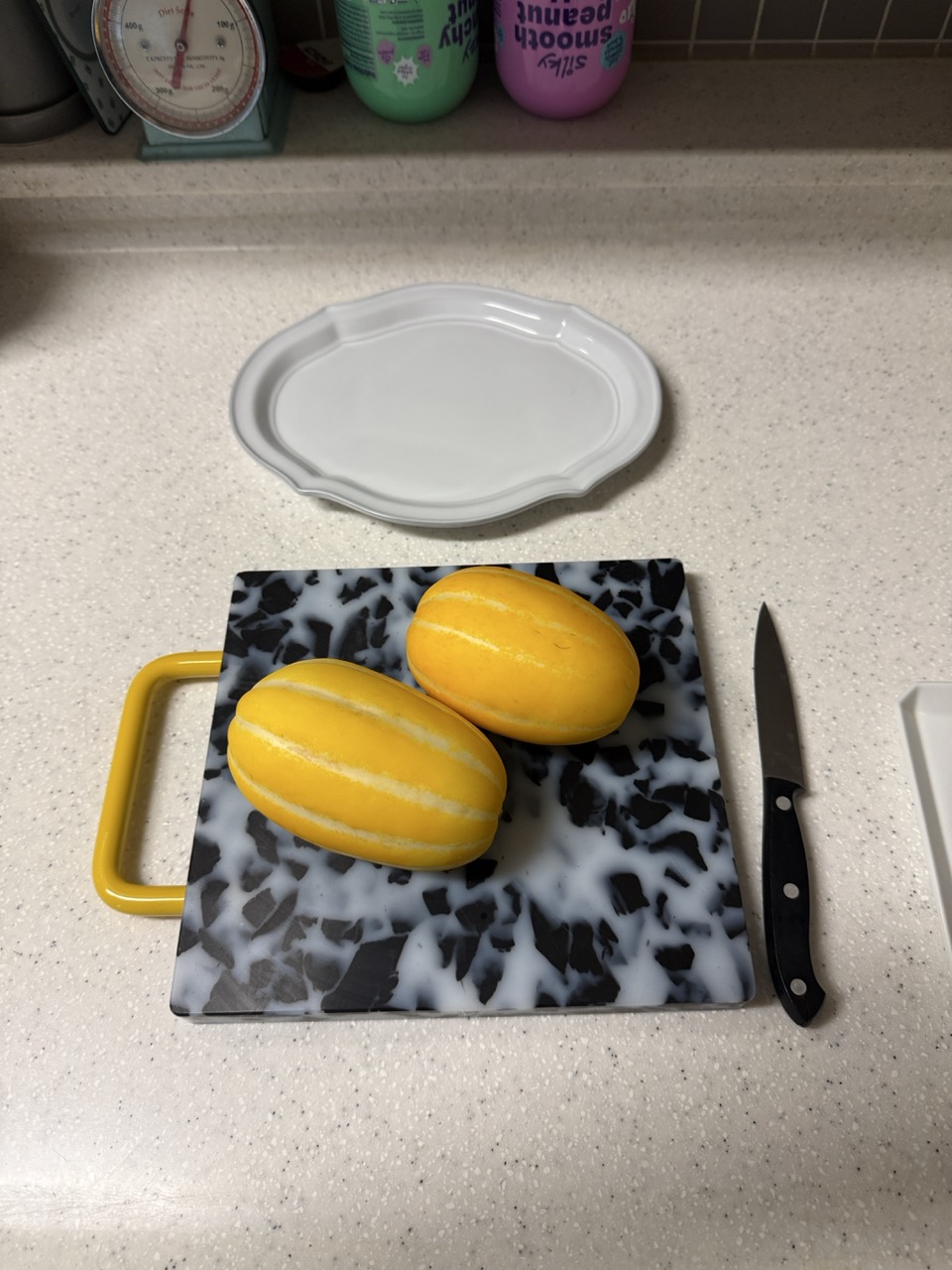
This past weekend, as I was preparing breakfast and peeling a Korean melon (chamoe), I was instantly struck by the rich, beautifully sweet aroma that filled the kitchen. It suddenly made me think: “Wait, isn’t this distinct yellow melon unique to Korea?” That sweet realization inspired me to curate a special list of must-try Korean fruits that every traveler should experience when visiting South Korea.

This thought reminded me of my trip to Shanghai with friends last May. Walking past local fruit stands in the morning, I remember feeling so eager to try the unique, regional fruits that you could only taste right there. Tasting local fruit is one of the purest ways to connect with a country’s seasons.
Thankfully, enjoying fruit in Korea has never been easier! Even if you are staying in a hotel and don’t have a knife, you can easily use delivery apps to order fresh fruit that comes beautifully washed, peeled, and perfectly cut right to your doorstep. Delivery apps make it so convenient!

Meet the ‘Chamoe’: The Golden Jewel of Korean Summer
The very first fruit you must try is Chamoe (참외 — Korean Melon). Its vibrant, bright yellow skin with clean white stripes is an absolute feast for the eyes. For me, just thinking about this fruit instantly brings back the breezy, nostalgic feeling of a Korean summer afternoon. Even when you are just picking one up at a local supermarket, its intoxicating, honey-like sweetness perfumes the entire aisle.
While it belongs to the melon family, it has a completely unique texture and eating method that surprises many international visitors. Unlike western cantaloupes or honeydews which have a soft, melting texture, Chamoe is incredibly crisp and crunchy, offering a satisfying bite similar to a fresh pear or cucumber.


The Golden Core: Don’t Throw Away the Seeds!
When you slice a Chamoe open, you will find a dense cluster of small seeds embedded in a translucent, white pulp right in the center. Here is the ultimate insider tip: do not scoop the center out!
In Western melons, the seed center is usually discarded. However, in a Korean melon, this central part—called the taejwa—is actually the sweetest, most flavorful, and juiciest part of the entire fruit. The seeds are small and soft enough to eat easily. When you take a bite of the crunchy white flesh combined with that honey-sweet, juicy core, it creates a perfect harmony of textures and flavors that you won’t find anywhere else in the world.


Honestly, as I sit here typing this out, I swear I can actually smell that rich, honey-sweet aroma of Chamoe wafting through the air right now! Haha.

Next Up: The Majestic Korean Pear (배)
The next absolute must-try fruit on my list is the legendary Korean Pear (배 — Bae).
Traditionally, this fruit reaches its peak during autumn, the season of harvest, bringing a sense of abundance to the table. Of course, thanks to modern advanced storage technology, you can easily find it in supermarkets all year round today—though it might be a little pricier out of season!
When you first see one, its sheer scale will blow you away. These round, golden-brown fruits are often as large as a small child’s face! While it shares the name “pear” with its Western counterparts, it looks and tastes entirely different.
Unlike the soft, hourglass-shaped Western pears, the Korean pear is perfectly round like an apple, incredibly crisp, and packs a refreshing, water-bomb level of juicy sweetness that instantly quenches your thirst.

A London Culture Shock: The Hourglass Pear and Chocolate Sauce
To be honest, my very first encounter with a Western pear in London was a complete culture shock. I remember thinking, “Wait, this isn’t what a pear is supposed to look like… why is it shaped like an hourglass?!”
To make things even more surprising, a British friend of mine once prepared a traditional pear dessert for me. It was a cooked pear completely smothered in thick chocolate sauce! Coming from Korea, where fruit is almost always enjoyed fresh and unaltered, I was completely baffled: “Chocolate on top of an already sweet fruit?!” It is a hilarious memory that still stays with me today. ^^
The Pure Euphoria of the Korean Pear: Crispy, Crunchy, and Refreshingly Juicy
In stark contrast to the soft, almost buttery texture of cooked Western pears, the experience of biting into a fresh Korean pear is pure euphoria.
The moment your teeth sink into the golden-brown flesh, it lets out a loud, satisfying “crunch!” that you can actually hear. It is incredibly crisp—with a texture that sits beautifully between a firm apple and a water-filled jicama—but without any of the fuzziness or stringiness.
But the true magic lies in its juice. The Korean pear is essentially a solid block of refreshing, naturally chilled water and clean sweetness. It is so juicy that eating a slice feels less like chewing fruit and more like taking a big, refreshing drink of pure nature!


The Legendary “IdH”: Korea’s Secret Hangover Cure Shaking the Globe
Because the Korean pear is absolutely loaded with hydrating juice and natural enzymes, it has earned a legendary reputation as the ultimate hangover cure.
In fact, this isn’t just an old wives’ tale—scientific studies have actually shown that Korean pear juice helps break down alcohol in the system! This phenomenon birthed a massive global trend centered around a specific Korean canned pear drink called Garamandun Bae (Crushed Pear).
Interestingly, because non-Korean speakers couldn’t read the Hangul word for pear (‘배’), they thought it spelled the English letters “IdH.” Today, “IdH” is an absolute viral sensation, widely sold on Amazon, and fiercely hunted down by international partygoers looking for a miracle morning-after savior.
A Nostalgic Sip: Does It Taste Like the Real Deal?
Alongside the famous juice, Korea also offers iconic pear-flavored ice creams (like the beloved slushie tube, Tank Boy) which are perfect for cooling down on a scorching summer day.
To be completely honest, whenever I drink the canned “IdH” juice, I always find myself thinking: “Hmm, does this taste exactly like a real pear? Maybe? Or maybe not?” Haha. It has its own uniquely sweet, processed charm with tiny, gritty pear bits inside that make it incredibly fun to drink.

The Ultimate Thirst-Quencher: The Incredible Sweetness of Korean Watermelon
The final star of our Korean fruit guide is something you might find familiar at first glance: the Watermelon (Subak — 수박). Now, watermelon itself isn’t exactly a groundbreaking or rare fruit in most parts of the world.


Most of you have probably seen or tried those massive, heavy green melons before. However, the watermelons grown in South Korea are on a completely different level when it comes to sugar content and juiciness.
It is officially my absolute favorite fruit to keep fully stocked in the fridge all summer long! Whenever the sweltering, humid summer heat gets unbearable, a single chilled slice delivers an instant explosion of sweet, crisp water that quenches your thirst better than any sports drink or soda.

Masterclass in Eating Watermelon: The Traditional Slice vs. The Upgraded “Hwache”
To be honest, the absolute best way to experience the true flavor of summer is to cut a watermelon into giant, triangular wedges and just dive in—shoveling it down greedily while the juices dribble down your chin! That messy, unpretentious joy is universal.
However, in Korea, there is an entirely different, incredibly fun way to enjoy this fruit: a beloved summer dessert cultural tradition called Subak-Hwache (수박화채 — Watermelon Punch).

A Sweet Summer Symphony: The Modern “Hwache” Craze
Historically, Hwache was a clever culinary hack used to rescue a slightly dull, less-sweet watermelon. Families would scoop out the melon, mix it with various canned fruits, and pour over sweet carbonated soda (like Sprite) or milk to boost the flavor.
But interesting enough, it has evolved way past a simple kitchen hack. Seeing my son these days, I noticed that the younger generation actually craves the specific texture and flavor of Hwache itself! They will buy a perfectly sweet watermelon and deliberately craft this elaborate punch just for the sheer pleasure of it.
The fizzy soda combined with the crunchy, ice-cold watermelon creates a refreshing, sweet symphony that makes you instantly forget about the sticky summer humidity. It’s a true rite of passage for any foodie visiting Korea in the summer!
📱 The Ultimate Life Hack: How to Order Pre-Cut Fruit via Delivery Apps
Now that your mouth is watering, let’s talk about how you can actually get your hands on these fruits! While you can easily find them at large supermarkets, there’s a catch for travelers or solo dwellers: while watermelon is sometimes sold in slices, fresh Chamoe and Korean pears are almost never sold pre-cut at regular marts or convenience stores.
But don’t worry—Korea’s legendary delivery infrastructure has the perfect solution! The absolute easiest and most stress-free way to enjoy these treats is by using Korean delivery apps like Baedal Minjeok (Baemin) or Coupang Eats.
Here is a quick, step-by-step guide to ordering flawlessly pre-washed, peeled, and beautifully cut fruit right to your hotel lobby or Airbnb:
- Download & Open the App: Fire up Baedal Minjeok (배달의민족) or Coupang Eats (쿠팡이츠).
- Search for “Chonggakne”: Type “총각네” (Chonggakne) into the search bar. This is one of Korea’s most famous and trusted premium fruit and vegetable franchise chains, famous for selecting high-sugar, top-tier produce.
- Look for the Magic Words: Browse their menu and look for the keyword “손질과일” (Sonjil-gwail), which literally translates to “pre-processed/cut fruit.”
- Add to Cart & Enjoy: Select your freshly cut Chamoe, Bae, or Subak. Within 30 to 40 minutes, a rider will deliver a neat, chilled plastic container filled with ready-to-eat fruit gems. No knife required, and absolutely zero food waste to clean up!
Wishing you all a wonderfully sweet day filled with delicious fruits! If you are curious about more trendy, mouth-watering desserts and hidden café gems to explore in Seoul, don’t forget to check out the linked post below! 😉
Leave a Reply