
The Ocean’s Bounty: Best Busan Seafood
In my previous post, I shared some must-eat meat dishes in Busan. But today, we are diving into what truly represents this coastal city—Seafood!
From the bustling energy of the legendary Jagalchi Market and authentic Korean-style sashimi houses (Hoe-jip) to cozy street stalls (Pojangmacha) where you can feast on piles of fresh oysters! Get ready for a sensory journey that will delight both your eyes and your palate. Let’s begin our seafood gourmet tour in Busan!


The “Unreal” Oyster Mountain of Busan: <Nampo-dong Stall #54> (Busan Oyster Stralls)
Did you know that many travelers are absolutely shocked when they see how we eat oysters in Korea? In many parts of the world, oysters are a pricey delicacy served in small portions. But in a Korean coastal city, you’ll see them piled up in massive heaps, shells and all—a sight that many foreigners find almost “unreal.” ;)
If you want to experience this jaw-dropping sight for yourself, Busan has the perfect spot. Just a short walk from Jagalchi Station, around 4 or 5 PM, you’ll start to see the warm glow of street stalls (pojangmacha) prepping for the night.
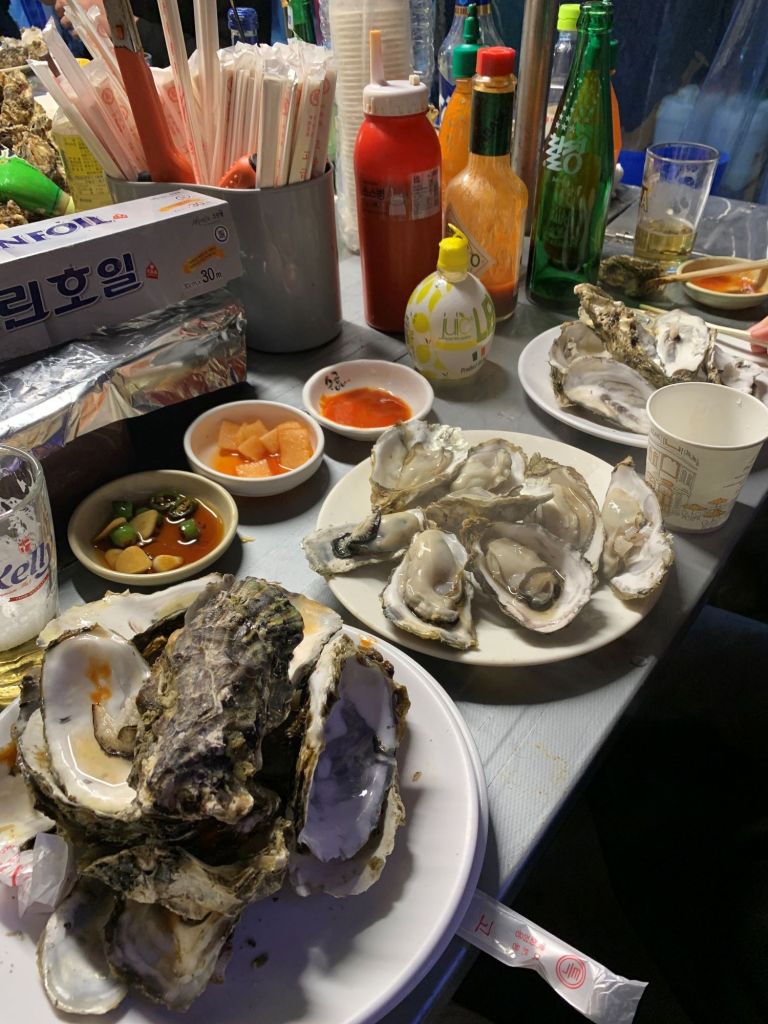
At <Nampo-dong Stall #54> (Nam-po-dong 54-beon), you’ll be greeted by an incredible spectacle: a literal mountain of oysters covering the entire counter. Even as a local, I was taken aback by the sheer scale of it! While buying a bag of shucked oysters at a Korean supermarket is common, seeing them stacked high in their rugged shells was a whole new experience.
Thinking about sitting there, slurping fresh raw oysters and feasting on steamed ones, I simply couldn’t resist going inside. ^^

Freshness and Kindness: The Heart of Busan
Raw oysters right on the street! It’s a luxury only possible in a coastal paradise like Busan where the ocean is just a stone’s throw away. We started with a platter of fresh raw oysters and then asked for another round—this time steamed. Watching the owner steam them on the spot and serving them piping hot made the meal even more delicious; time just seemed to fly by.
But the highlight of the evening wasn’t just the food. As the owner watched my son enjoy his oysters, she handed us a bottle of Sprite on the house, saying, “I hope these memories of traveling with your mom and dad stay as a happy treasure in your heart forever.”
It was a moment where I felt the deep, warm “Jeong” (Korean affection/connection) that you can truly experience in regional Korea. It was a heartwarming reminder of why these family trips are so special.

The Perfect Match: Oysters and Chogochujang
How do people in your part of the world usually enjoy oysters? While I personally love a dash of hot sauce or a squeeze of fresh lemon, in Korea, the undisputed No. 1 companion for oysters is “Chogochujang.” ;)
Chogochujang is a brilliant sauce made by mixing Gochujang (red chili paste) with vinegar and sugar, creating a perfect balance of spicy, sweet, and tangy flavors. It cuts through the richness of the oysters and enhances their natural sea-saltiness. It is, without a doubt, the ultimate dip that truly defines the Korean seafood experience!

Paradise Found: Grilled Shellfish by the Busan Sea
Next up is a grilled shellfish (Jogae-gu-i) spot where you can dine while feeling the refreshing Busan sea breeze. This restaurant is located right on the waterfront, and on clear days, they set up tables in the front yard. Grilling shellfish while gazing at the vast ocean is an unforgettable experience. When the sound of the crashing waves hits your ears, you truly feel like you’ve found paradise on earth. ;)


There’s a unique joy in watching the shells pop open one by one as they heat up on the grill. Picking out the succulent meat and enjoying it right then and there is as fun as it is delicious!

The Essence of Seafood: Busan-style “Sekosi” Sashimi
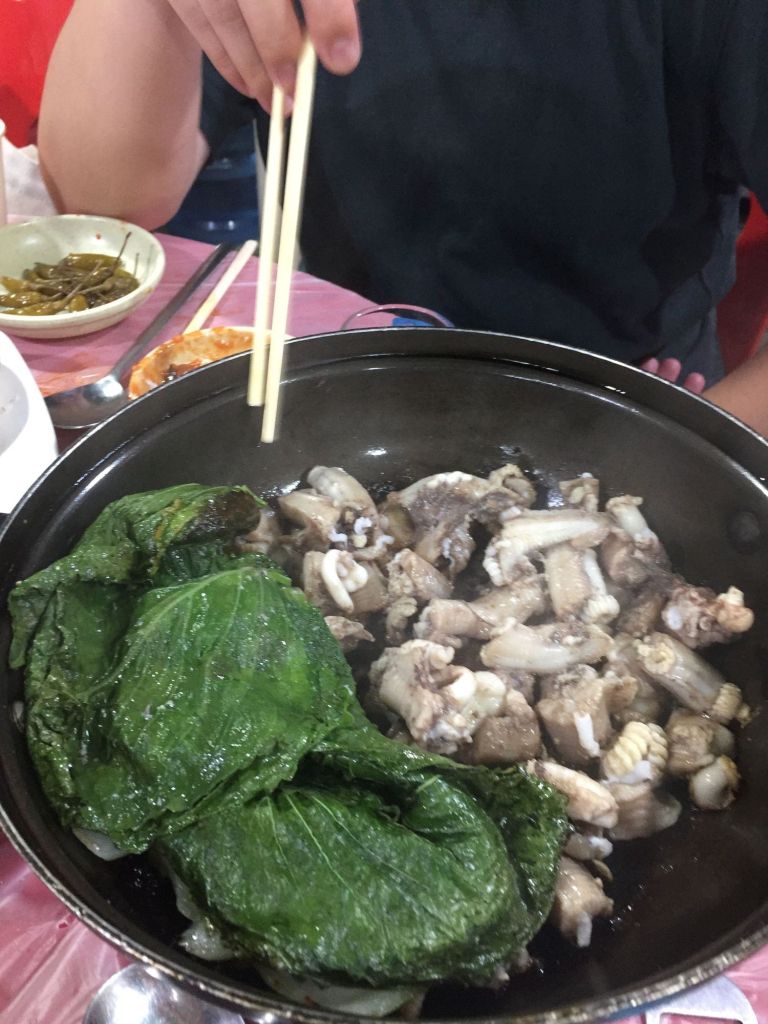
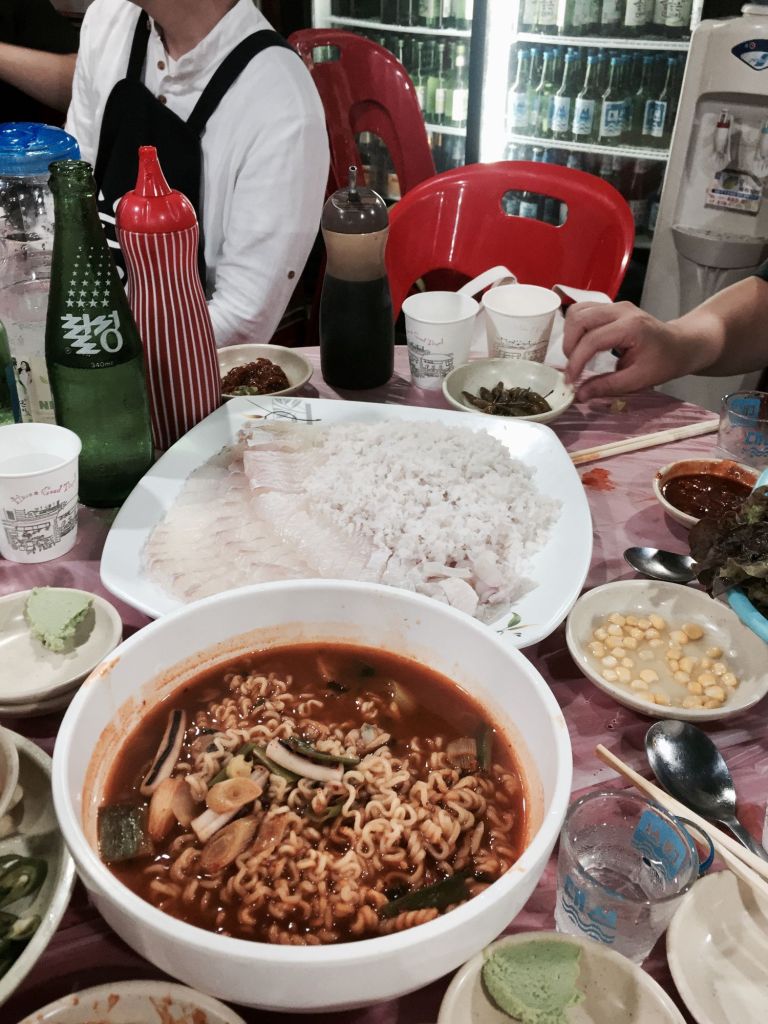
We can’t talk about seafood without mentioning Sashimi (Hoe). While I enjoy fresh fish at fish markets in Seoul, there’s one specific type I never miss when I’m in Busan: “Sekosi.”
Sekosi refers to small, assorted wild fish sliced thin along with their soft bones. I love the crunchy, chewy texture of it, but Busan has a very special way of preparing it. Here, they finely mince the fish with a knife and squeeze out every drop of moisture. The result is a light, “fluffy” texture that releases an incredibly nutty and savory flavor the more you chew.

This finely minced, fluffy style is a unique local specialty you can only truly find in Busan. I’ll never forget the first time I tasted it at Jagalchi Market. Since not every restaurant prepares it this way, I’ve made sure to save a few specific spots on my map that master this technique. Nowadays, I even enjoy getting it as takeout to savor at my own pace. ^^
A Thrilling Delicacy: Grilled Sea Eel (Ggomjangeo)
For those who aren’t fans of raw fish, I have another stellar recommendation: Grilled Sea Eel (Ggomjangeo). While many people enjoy it with a spicy red seasoning, I always go for the Salt-Grilled (Sogeum-gu-i) version to savor its pure, nutty flavor.
I have to be honest—the initial visual might be a bit of a shock! Seeing the freshly skinned eel wriggling on the hot grill can be quite intense… but don’t let that stop you. Once it’s cooked, the texture is incredibly snappy and firm, offering a “pop” of savory goodness in every bite. It’s a taste and texture so unique that I simply can’t give it up. If you’re looking for an adventurous yet rewarding meal, this is a must-try in Busan!
No matter how much we eat, it seems like we Koreans can’t feel truly satisfied until we finish with a bowl of Ramyeon. It’s the ultimate comfort food that completes every meal. ^^

A Gourmet Secret Approved by a Busan Taxi Driver: Bbollak-hoe
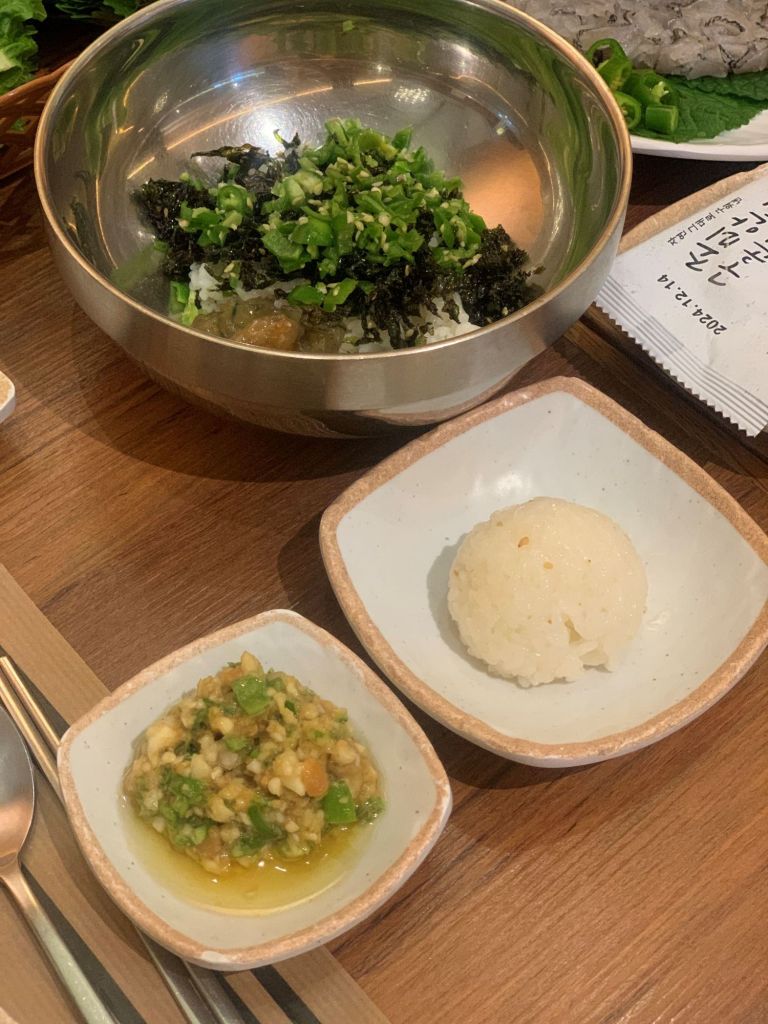
If the sashimi at Jagalchi Market felt like a classic experience, this next spot offers something completely different. This restaurant has reimagined the way we eat sashimi, serving it with a unique twist that involves wrapping the fish in kelp or seaweed with a special homemade sauce.
They focus on Bbollak-hoe (Rockfish Sashimi). When you first order, the staff will actually demonstrate the proper way to assemble the perfect wrap. The real “kick” is the final touch—a dollop of their secret house sauce that brings all the flavors together!
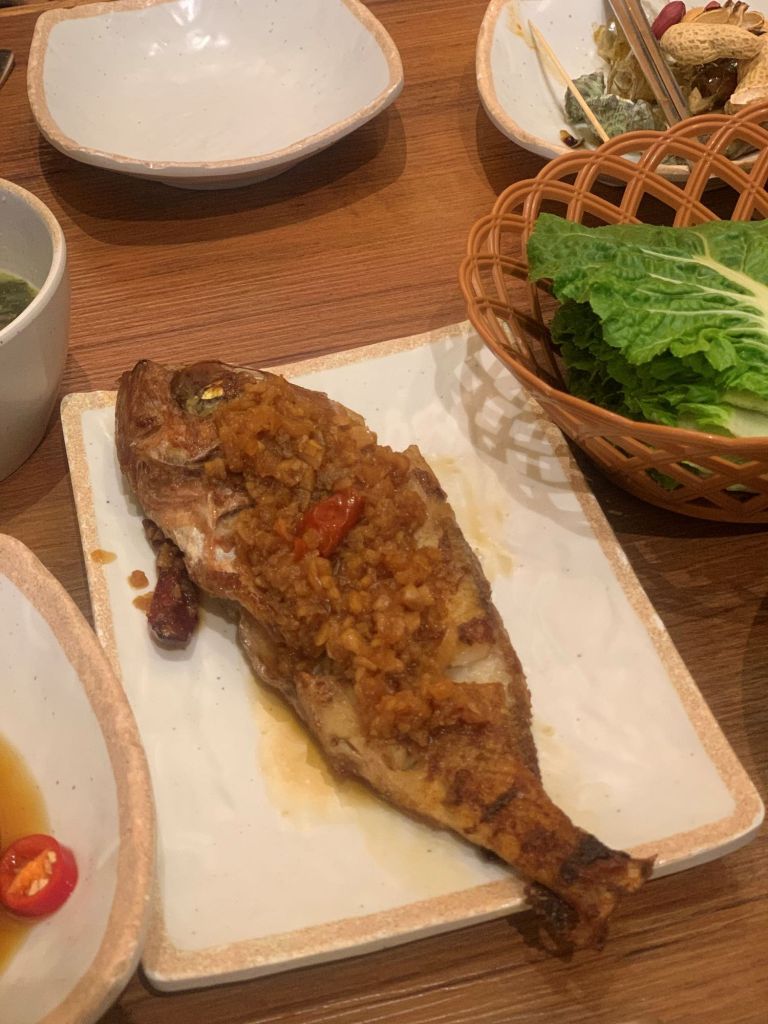

I actually discovered how legendary this place was during a business trip to Busan. I happened to strike up a conversation with my taxi driver, who turned out to be a serious foodie.
He spends his weekends traveling across regions just to find the best eats! When I asked for a local recommendation, he pointed me straight to this place. When I told him I had already been there, he gave me a nod of pure respect—I felt like a true Busan insider! (Puffing out my chest a bit here, haha.)

The Art of Thin Slicing: Squid Sashimi at ‘Hayan-jib’
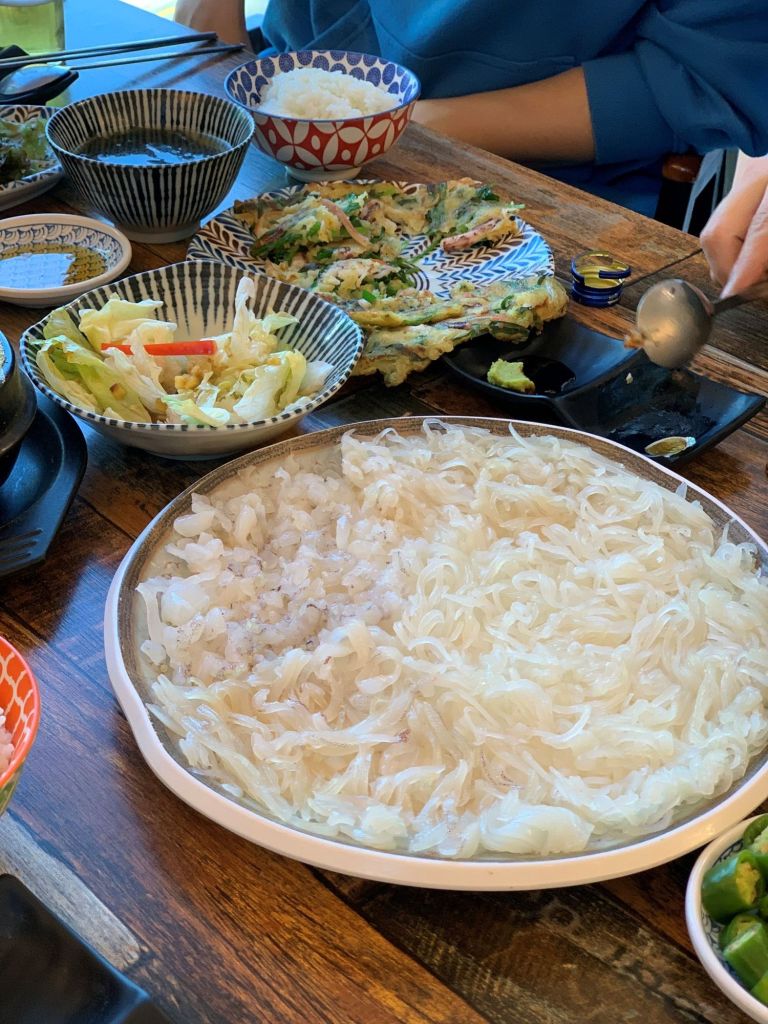
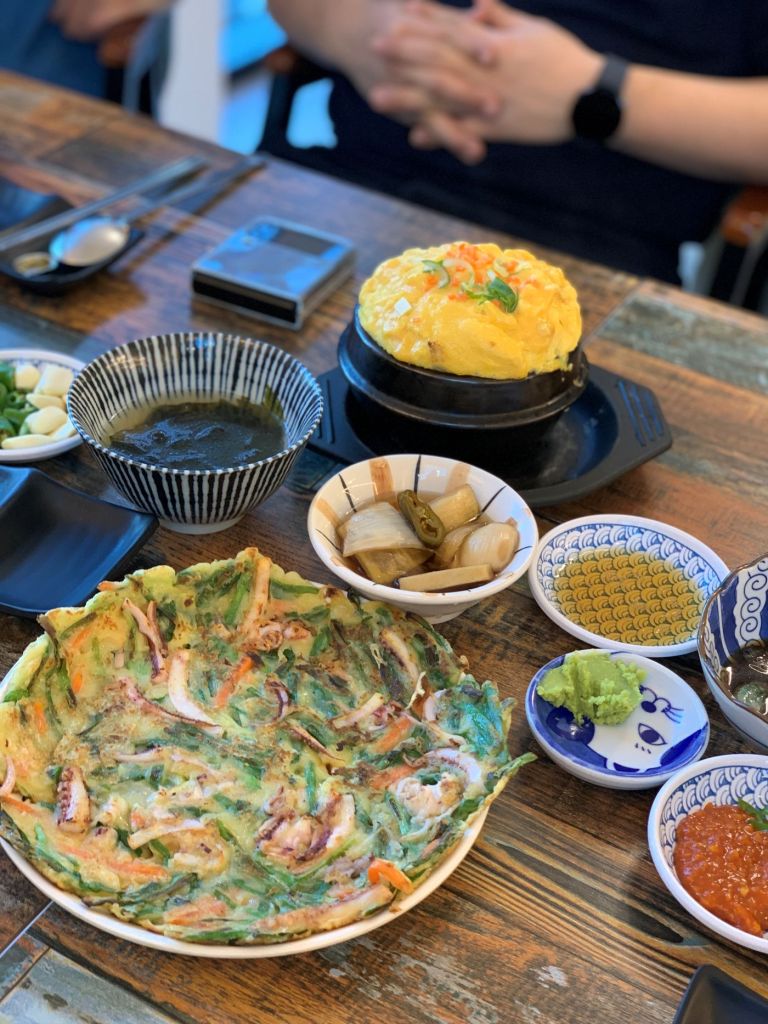
The final highlight of my Busan journey is a place called “Hayan-jib” (The White House), famous for slicing squid as thin as silk threads. The price of squid varies significantly depending on the season, so it’s always a good idea to check before you visit.
※ When is Squid Season in Korea? Usually, squid is most abundant from summer to autumn (June to November). During this peak season, you can enjoy it at its freshest and most reasonable price!
They say, with just a bit of exaggeration, that their squid is sliced so thinly you could thread it through a needle! This incredible technique creates a unique, melting texture that you won’t find anywhere else.
And do you see that fluffy, golden dish in the photo? That’s Gyeran-jjim (steamed eggs). When steamed in a hot stone pot, it puffs up like a beautiful yellow cloud. While it’s something you can make at home (if you have the right pot!), there’s something about eating it at a restaurant that makes it so irresistible—I’m always sad when the bowl is empty! Haha. Many places serve this as a complimentary side dish, so make sure to try it. (I’ll share my home-cooked recipe for this in a future post! ;) )
This concludes my seafood tour of Busan! My next post will be all about Dessert Time. Looking back at these photos makes me want to hop on a train back to Busan right now! I’ll be sure to share more hidden gems as soon as I discover them on my next trip. ;)
Missed the Ocean? The Fresh Catch Awaits at Noryangjin Fish Market!
I hope you fully enjoyed the incredibly fresh and delicious sliced raw fish (hoe) in Busan! But even as you head back to Seoul, there is absolutely no need to feel disappointed.
Seoul is home to the massive Noryangjin Fisheries Wholesale Market, a bustling, giant seafood hub where the freshest catches of the day from all over Korea gather every single morning! It is the perfect place to recreate that seaside dining experience right in the heart of the capital.
To help you navigate the vibrant alleys, choose the best seasonal fish, and find the perfect dining spots within the market, you need to know in the blog post linked below. Be sure to check it out!
Leave a Reply