The Land of “Dawn Delivery” and My Favorite Markets
Have you ever heard of South Korea being the “Heaven of Dawn Delivery”? If you place an order by 11 PM, it magically arrives at your front door by 6 AM the next morning. This “magic” happens every single day here.
While we’ve only been experiencing this service for a few years, our children have grown up with it. For them, lightning-fast delivery is just a normal part of life. Sometimes, late at night, my son will suddenly say, “Oh! I need supplies for school tomorrow! Can you order them now?” as if it’s the most natural thing in the world. As a mom, my heart skips a beat when I hear that, worrying if it will actually make it in time!
Even though I love the convenience of having groceries delivered to my door, I could never give up my love for Korean traditional markets.
Before my office moved, it was located near Namdaemun Market. Having spent over 10 years in that area, I’ve basically become a human navigator who knows every single shortcut through those crowded, labyrinth-like alleys. Haha!
So today, for those of you planning to visit Seoul’s traditional markets, I want to introduce some delicious street foods you can enjoy while shopping!
The Famous Kalguksu Alley in Namdaemun Market– Buy One, Get Three!


If you go to Namdaemun Market, this is the one place you absolutely cannot miss: Kalguksu Alley.
Once you follow the map and arrive at the entrance, you might feel a bit overwhelmed. First, you’ll see dozens of noodle stalls lined up on both sides. Second, all the shop owners (the “Ajummas“) will start waving and inviting you to sit at their stall.
Don’t panic! You don’t have to feel bad about choosing one place over another. My advice is to just sit wherever you feel comfortable. The menus, prices, and quality are almost identical across all the stalls, and every Ajumma is incredibly kind and welcoming.
A few Tips for your visit:
- Embrace the Chaos: It’s a narrow market alley, so it can be quite noisy and hectic. But that’s all part of the fun and authentic experience!
2. Split Your Group: If you are traveling in a large group, I highly recommend splitting into smaller groups of 2 or 3. Most stalls only have about 10 seats in a single row, so it’s nearly impossible for a large group to sit together.
3. Wait in Line: If the stall you like is full, just stand in front of it. The Ajummas are experts at managing the crowd and will guide you to a seat as soon as one opens up. ^^
The unique, bustling atmosphere isn’t the only reason you should visit this alley. The real draw is the “Inexpensive & Delicious” food, and the fact that you get three dishes for the price of one!
If you order just one bowl of Kalguksu (approx. $7 / 9,000 KRW), they serve you Boribap (barley rice with vegetables and soybean paste soup) and a side of Bibim-naengmyeon (spicy cold noodles) as a complimentary “service.”
By the time you finish everything, you will be incredibly full. I highly recommend heading there on an empty stomach!
One last important tip: Most stalls in this alley only accept cash. Make sure to have some Korean Won bills ready before you dive into this noodle paradise! And! It can get incredibly hot inside the alley during the peak of summer…. ^^ ;;
Time for Dessert – Freshly Fried Kkwabaegi
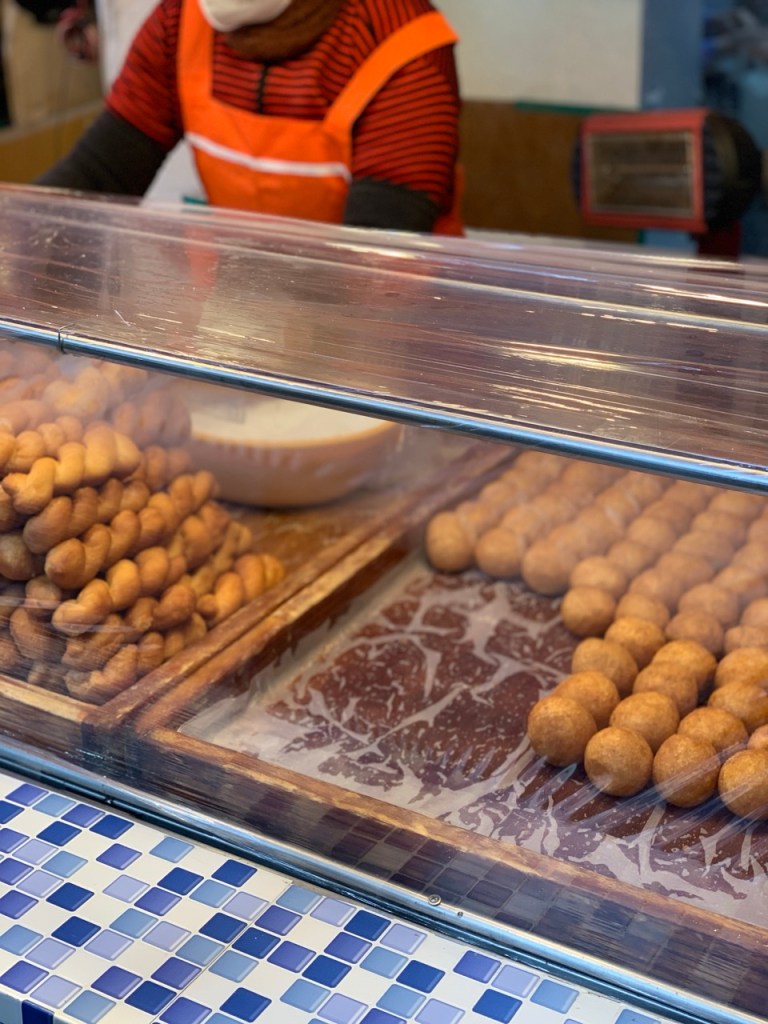
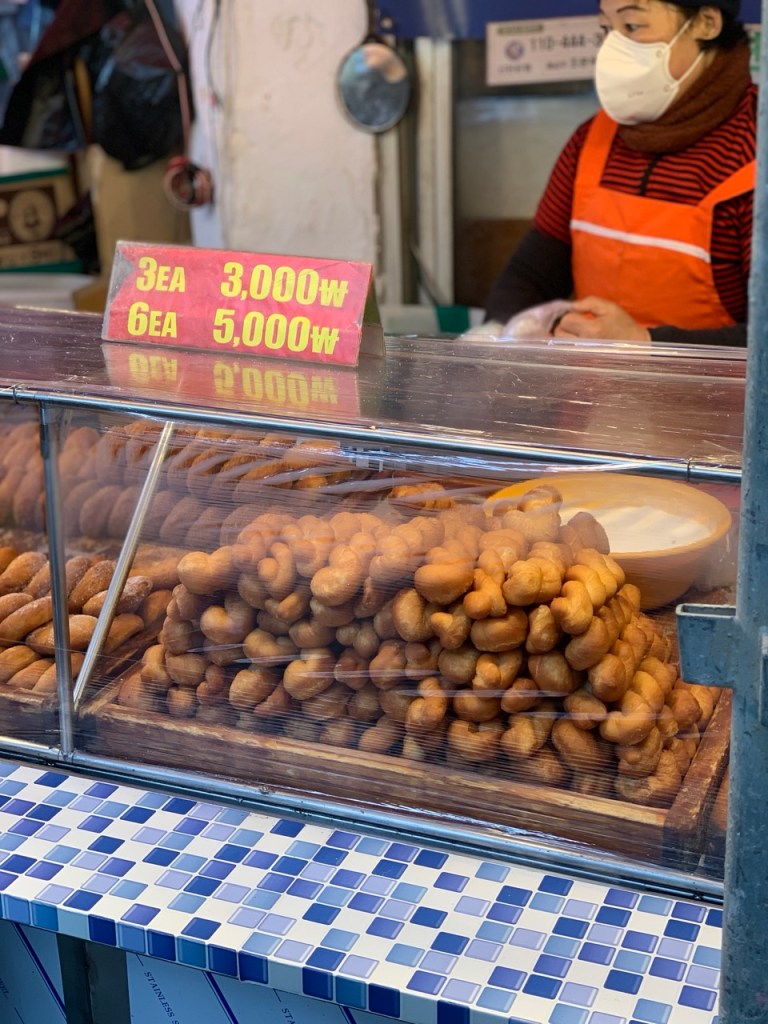
After that hearty meal, you’ve got to make room for dessert, right? In Korea, we have a saying that there’s always a separate “dessert stomach.” And in Namdaemun, the star of the show is Kkwabaegi (Twisted Donuts).
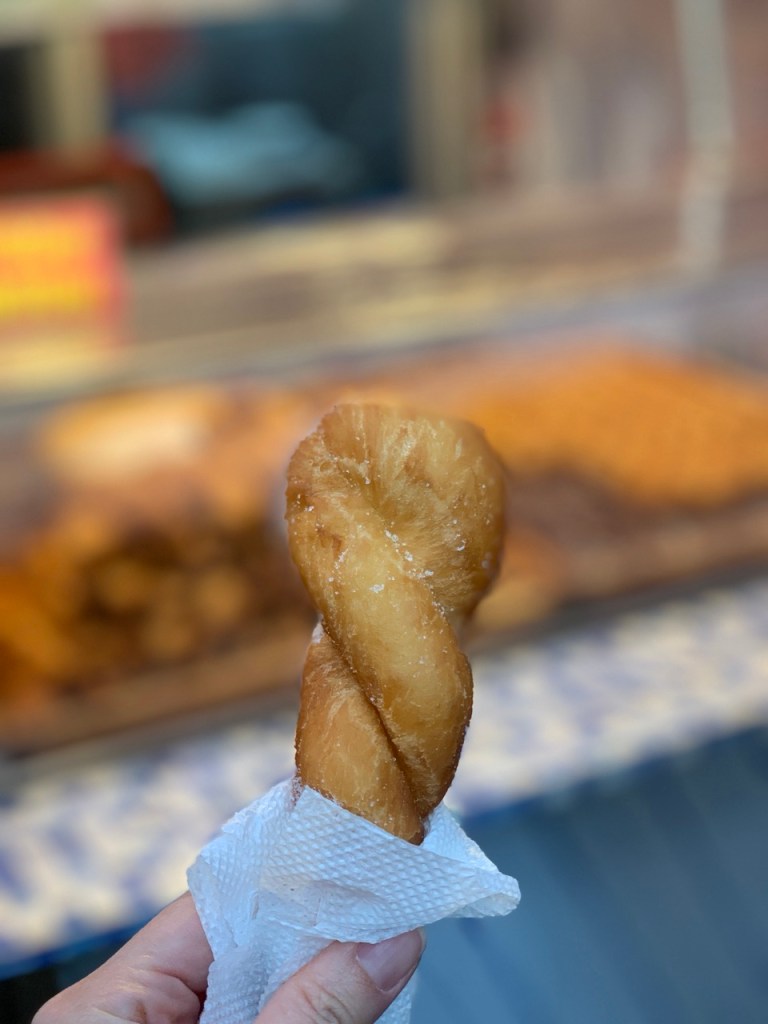
Unlike the donuts you might be used to, these are made right on the spot. You can watch the dough being twisted and dropped into the hot oil. They are pulled out golden brown, tossed in a light coating of sugar, and served piping hot.
My personal favorites are Kkwabaegi (Twisted Donuts) and Chapsal Donuts (Round Sticky Rice Donuts).
When you order, the vendor will ask you a very important question: “Do you want them tossed in sugar?” For me, there is only one right answer. Yes! Skipping the sugar on a dessert like this should be a crime, don’t you think?! That sweet, crunchy coating of sugar over the warm, chewy dough is exactly what makes these snacks so legendary. The Chapsal donuts, in particular, have such a satisfyingly chewy texture—they’re like little clouds of sweet happiness.
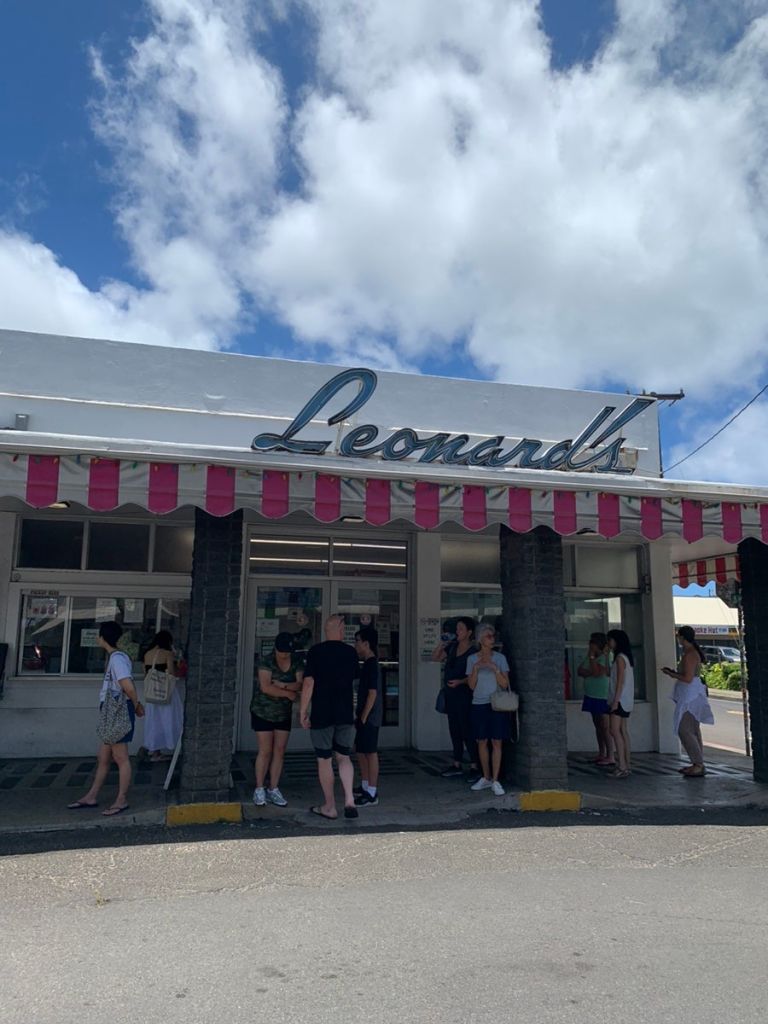

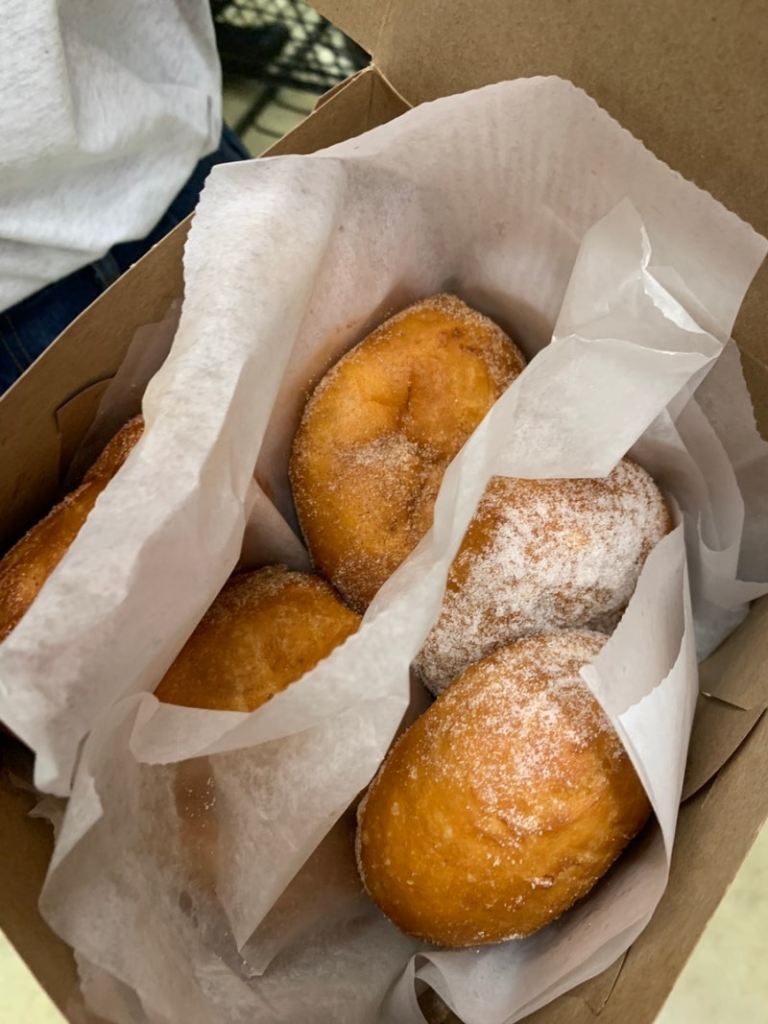
To give you a better idea of what these are like… have you ever tried the famous Malasada donuts from Leonard’s Bakery in Hawaii?
I absolutely loved those Malasadas in Hawaii, but I honestly believe that in Namdaemun Market, you can enjoy something even better! Here, you can get more for a much cheaper price, and the texture is significantly chewier and more satisfying.
Trust me on this one. If you’re a fan of those Hawaiian donuts, you are going to fall head over heels for our Korean market donuts!
Eat Like a Local at Namdaemun Market!
As I mentioned earlier, I commuted to the Namdaemun area for over 10 years. So, before I wrap up, I want to share exactly two more hidden gems that I truly love.
One is my absolute favorite spot for a quick and satisfying lunch, and the other is the place I always looked forward to whenever I had dinner plans after work!
A Taste of Home – Ujeong Sikdang
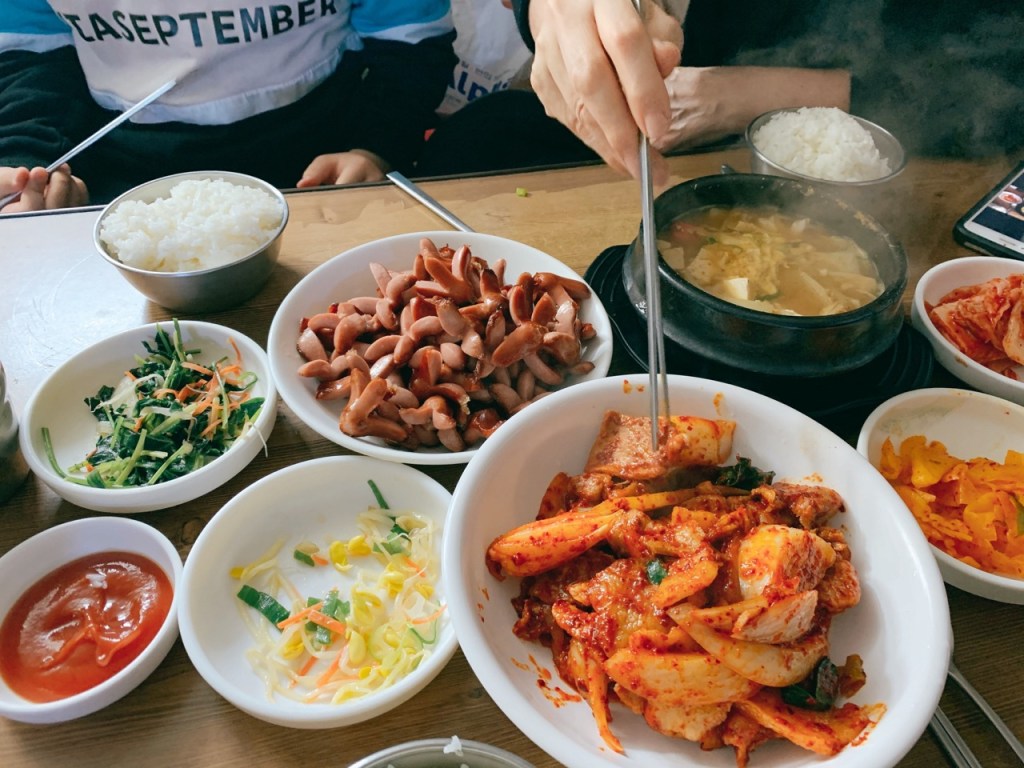
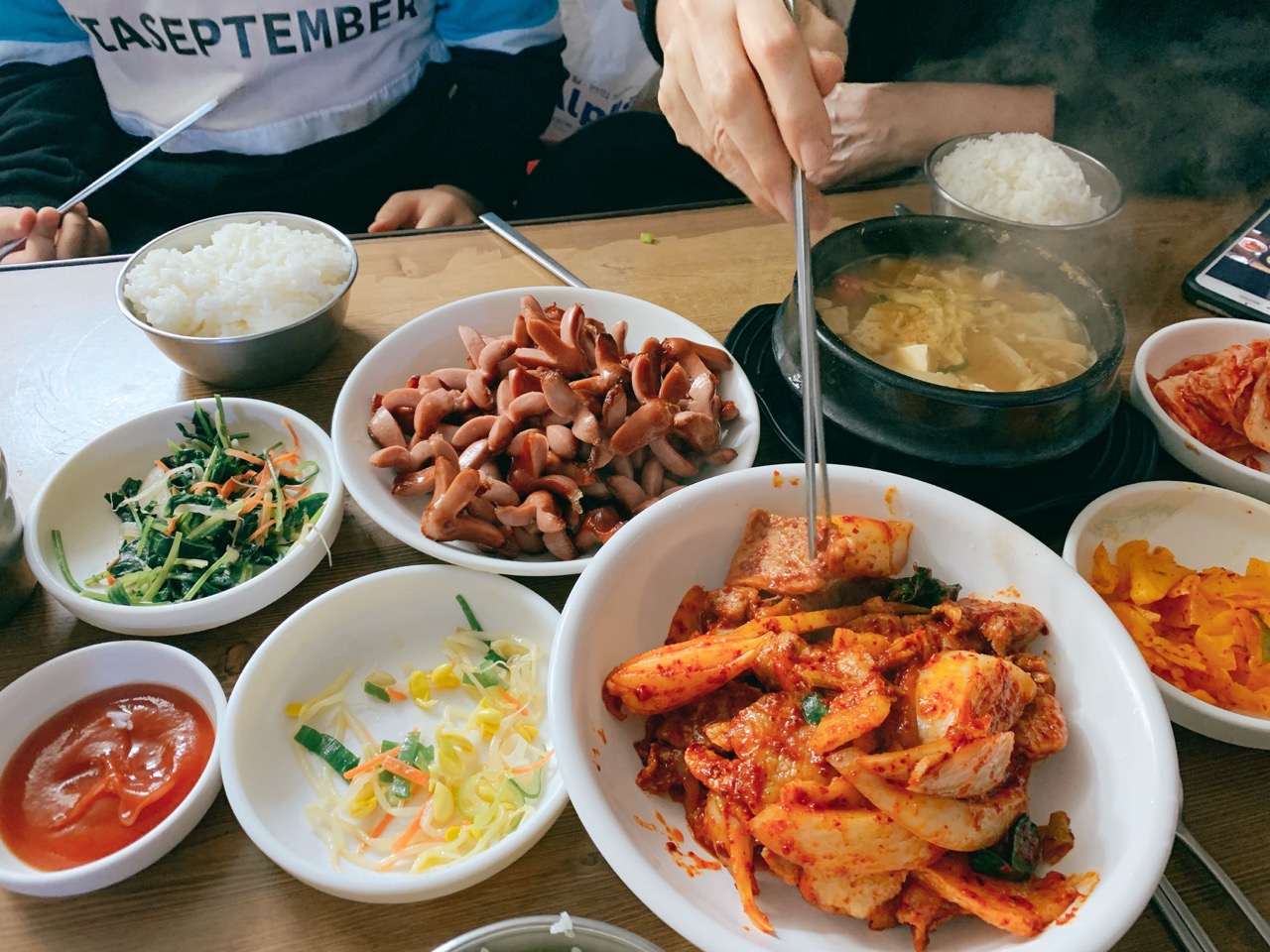
If you’re looking for a “Home-cooked style” Korean meal, this is it. In Korea, we call this a Baekban (백반) menu. It’s a hearty, well-balanced meal that typically includes a bowl of rice, a warm soup, and a variety of delicious side dishes (Banchan) that change daily.
For office workers who have to eat out every day, a Baekban (set meal) is more than just food—it’s a comfort. It’s especially touching for students living away from home who miss their mother’s cooking. ^^
In the photo, I ordered Jeyuk-bokkeum (spicy stir-fried pork), Sausage-bokkeum (stir-fried sausages), and Doenjang-jjigae (soybean paste stew). All those other small side dishes you see? They come automatically as part of the basic meal!
(Do you remember how I previously introduced Jeyuk–bokkeum (spicy stir-fried pork) as the ultimate “Soul Food” for Korean men?
If you truly want to experience that authentic, deep flavor for yourself, I highly recommend visiting a Baekban restaurant like this.
In all my years frequenting this restaurant, I don’t think I’ve ever seen a foreigner there. If you visit, the owner might be a bit surprised to see you! Haha.
Tip: The restaurant is a bit small and cozy. To have a more relaxed dining experience, I recommend avoiding the peak lunch rush (11:30 AM to 1:00 PM). If you go slightly before or after that time, you can enjoy your meal much more comfortably.
The Generous Spirit of “Maknae Hoe-jip” (Youngest Fish Market)]


Main Branch https://maps.app.goo.gl/sSYM5VmRoc3XYDjt9
Second Branch https://maps.app.goo.gl/1SFjnkGKovyBPwPf6
Do you know which place I missed the most while I was on maternity leave? It was right here: Maknae Hoe-jip.
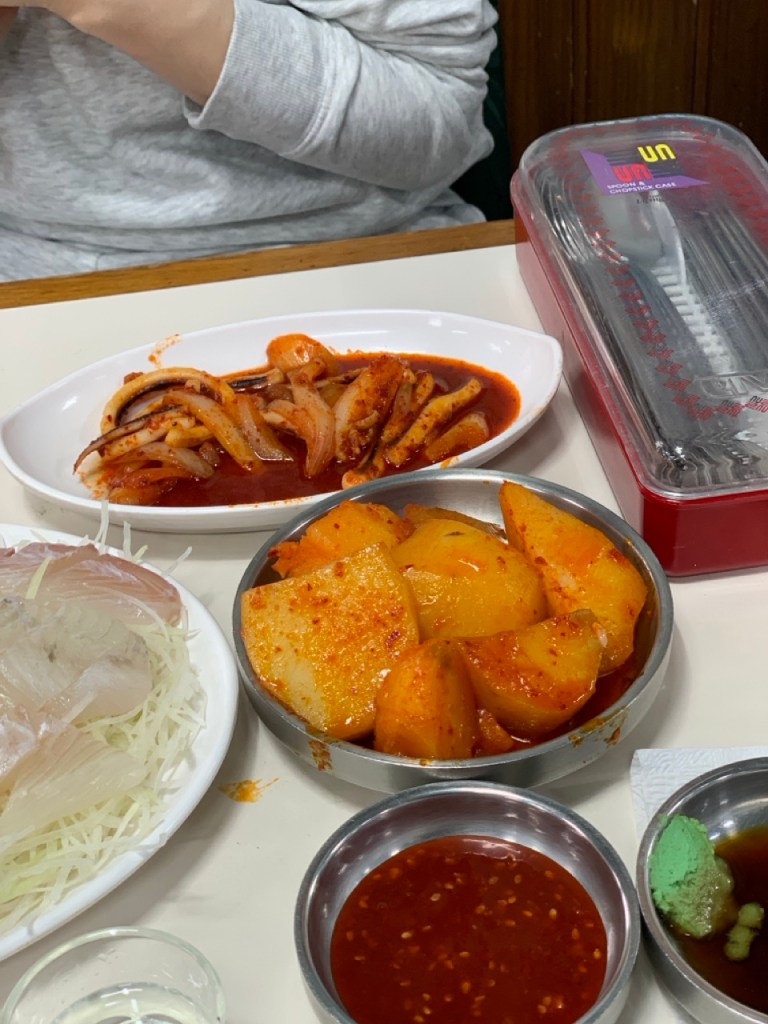
It’s a rustic, no-frills raw fish restaurant, but what I craved more than the fish itself was their legendary braised potatoes (Gamja-jorim). There’s a special sweetness to them that I could never replicate at home, no matter how hard I tried. ㅠㅠ As soon as I returned to work, my very first dinner appointment had to be here! ^^
Unlike many other places, they slice their fish extra thick, giving it a fantastic, chewy texture. And When you order sashimi, it’s not just fish. You get a full course of spicy stir-fried squid, braised mackerel, seaweed soup, those famous potatoes, and a spicy fish stew (Maeuntang) to finish. In Korea, we say a meal like this makes the Soju “pour like a waterfall” —it’s just that good! ^^;;
While it’s a legendary spot for dinner, they also offer a simpler “Lunch Special” set if you’re visiting during the day. If you’re a fan of fresh seafood and a true local atmosphere, how about a meal at Maknae Hoe–jip?
The Charm of Korea’s Traditional “Nopo”
Today, I’ve shared some of my most cherished hidden gems in Namdaemun Market.
I realize that most of the places I’ve introduced today are very local and traditional. They might not be the most stylish, glamorous, or even the most comfortable spots you’ll find in Seoul. However, there is a unique soul and warmth in these “Nopo” (long-standing, traditional restaurants) that you simply can’t find anywhere else.
If you want to experience the real, unfiltered heart of Korean food culture, I highly recommend stepping into these humble spots. You might find that the kindness of the owners and the deep flavors of the food are far more memorable than any fancy interior.
Next time, I’ll be back with a deep dive into the unique experience of dining right in the heart of a Wholesale Seafood Market. Get ready for the freshest catch and the vibrant energy of the early morning auctions!
MJay from Seoul
+
If you enjoyed the bustling energy of the Kalguksu Alley and are looking for another one-of-a-kind dining experience in Korea, you have to check out my post on Seoseo-galbi (Standing BBQ) below!
Leave a Reply